 English
 Bengali
 Chinese (Simplified)
 Filipino
 German
 Hindi
Hindi Indonesian
 Japanese
 Khmer
Khmer Korean
 Lao
Lao Myanmar (Burmese)
 Thai
Thai Vietnamese
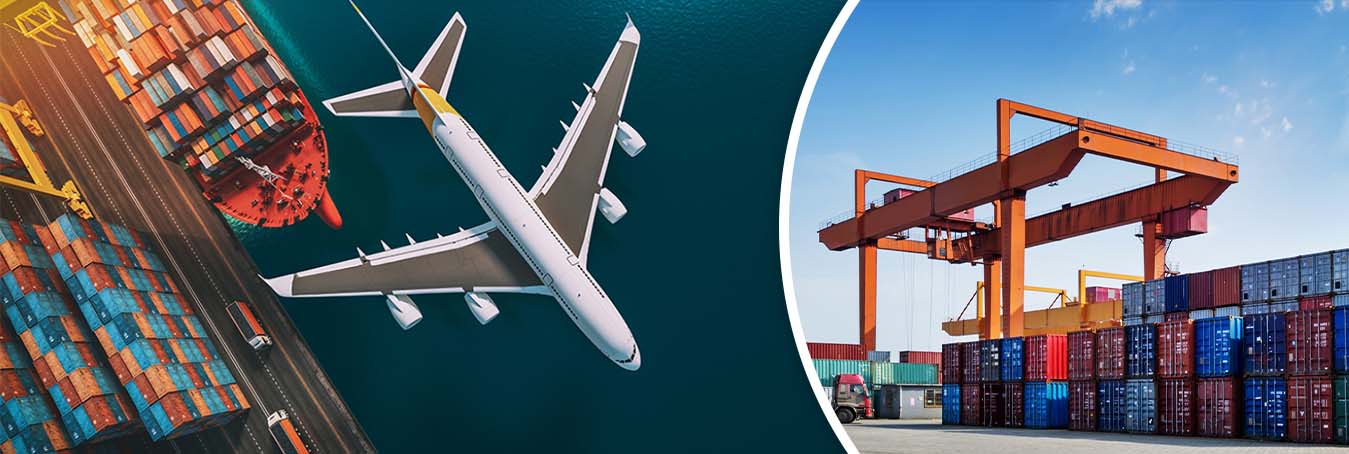


Global trade continues to expand as businesses look beyond borders to reach new customers, source materials, and strengthen supply chains. Reliable international shipping solutions play a central role in making this movement possible. From cross-border trucking to long-haul ocean and air freight, logistics providers support worldwide trade by ensuring goods move safely, compliantly, and on schedule. Modern shipping operations demand flexibility, coordination, and in-depth knowledge of customs regulations. As markets become more interconnected, companies depend on trusted logistics partners to manage complex transportation routes and adapt to changing trade requirements.
The Role of International Freight Services in Global Commerce
International freight services act as the backbone of global trade. They connect manufacturers, distributors, and retailers across continents through structured transportation networks. These services cover freight planning, cargo consolidation, customs documentation, and last-mile delivery. Experienced International Freight Companies support businesses by offering tailored shipping options for different cargo types. Whether moving raw materials or finished goods, freight providers coordinate multimodal transport solutions that align with commercial timelines and compliance standards. By working with professional freight partners, businesses gain access to established carrier networks, transparent tracking systems, and risk mitigation strategies. This support allows companies to focus on growth while their shipments move through global trade corridors with confidence.
Cross-Border Logistics Between Malaysia and Singapore
Trade between Malaysia and Singapore is one of Southeast Asia’s most active shipping lanes. Daily commercial movement between these two countries requires logistics services that understand cross-border regulations, customs clearance, and time-sensitive delivery needs. Shipping from Malaysia To Singapore involves coordinated road freight solutions, customs brokerage, and documentation accuracy. Businesses rely on logistics providers to handle clearance procedures efficiently while minimizing transit delays. This route supports a wide range of industries, including manufacturing, electronics, retail, and food distribution. Reliable logistics services ensure consistent supply chains, allowing businesses to maintain inventory flow and meet customer demand without interruption.
Expanding Trade Routes From Singapore to Australia
Singapore serves as a major logistics hub for Asia-Pacific trade, offering strategic access to international shipping routes. One key trade corridor extends southward, connecting Southeast Asia with Australia’s growing market. Freight services from Singapore To Australia support exporters and importers through ocean and air freight options designed for different cargo volumes and timelines. These services manage port handling, customs compliance, and inland distribution across Australian regions. This trade lane supports industries such as agriculture, construction, consumer goods, and industrial equipment. With professional freight coordination, businesses can maintain consistent delivery schedules while meeting Australia’s regulatory standards.
Tailored Shipping Solutions for Diverse Industries
Every industry faces unique shipping challenges. From temperature-controlled cargo to oversized equipment, international logistics providers adapt solutions to specific operational needs. This customization includes selecting appropriate transport modes, packaging standards, and documentation processes. Freight partners work closely with businesses to plan routes, manage risks, and adjust shipping strategies as market conditions change. This proactive approach supports continuity in global trade, even during periods of regulatory shifts or supply chain disruptions.
Technology and Visibility in International Shipping
Digital tools have transformed international shipping by increasing transparency and communication. Shipment tracking, electronic documentation, and automated reporting provide businesses with real-time visibility into cargo movement. Logistics providers integrate these technologies to improve coordination between carriers, customs authorities, and clients. Enhanced visibility helps businesses make informed decisions, manage inventory, and respond quickly to unexpected changes in transit schedules.
Supporting Long-Term Trade Growth
Worldwide trade depends on stable logistics networks that evolve alongside market demands. International shipping solutions enable businesses to expand into new regions, diversify suppliers, and strengthen customer relationships. By partnering with experienced freight providers, companies gain strategic support that goes beyond transportation. These partnerships contribute to long-term growth by maintaining reliable access to global markets and reducing operational uncertainty.
Conclusion
International shipping solutions remain a vital force behind worldwide trade, enabling businesses to connect markets, manage supply chains, and operate across borders with confidence. From regional cross-border routes to long-distance international lanes, well-structured logistics services support the steady flow of goods that modern commerce depends on. By working with experienced freight partners, companies can navigate regulatory requirements, maintain shipment reliability, and adapt to evolving trade demands. As global trade continues to grow, dependable international shipping solutions will remain essential in supporting sustainable business expansion and long-term market success.