 English
 Bengali
 Chinese (Simplified)
 Filipino
 German
 Hindi
Hindi Indonesian
 Japanese
 Khmer
Khmer Korean
 Lao
Lao Myanmar (Burmese)
 Thai
Thai Vietnamese
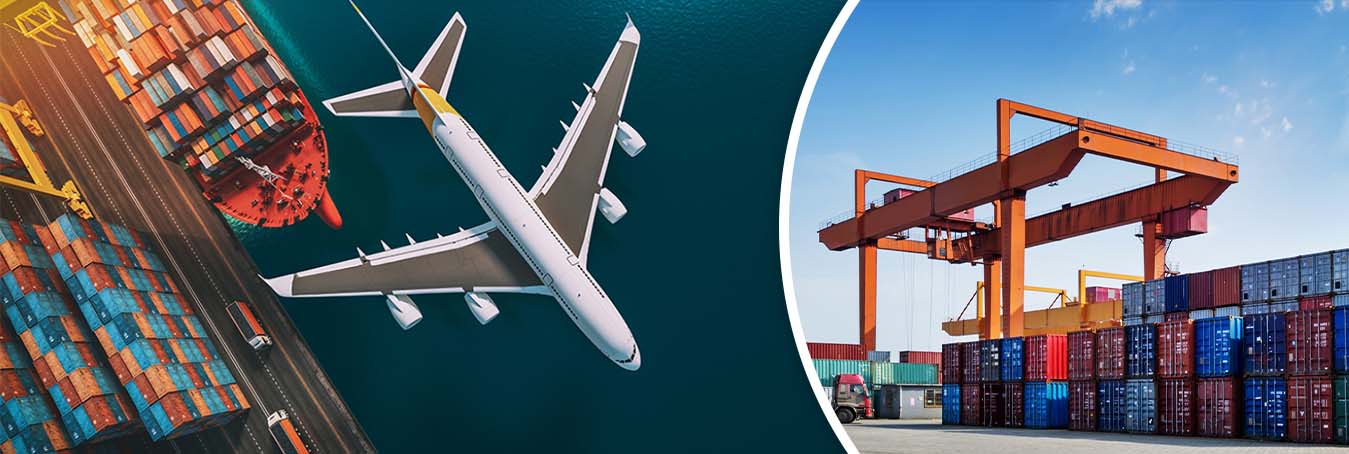


Global trade between Southeast Asia and East Asia continues to expand, with Singapore acting as a major transshipment hub and China remaining one of the world’s largest manufacturing and consumption markets. Businesses seeking dependable cargo movement often rely on sea transport due to its scalability and cost advantages. This blog explores how shipping solutions between these two regions support international commerce, what makes them reliable, and how companies can optimize their logistics strategies.
Understanding The Importance Of Sea Freight Routes
Shipping goods across borders requires careful planning, especially when dealing with large volumes. Maritime logistics plays a vital role in connecting Singapore’s advanced port infrastructure with China’s extensive network of ports such as Shanghai, Shenzhen, and Ningbo. Choosing Sea freight from Singapore to China allows businesses to handle bulk cargo, reduce transportation costs, and maintain consistent supply chains. Compared to air transport, ocean shipping is particularly suitable for heavy, oversized, or non-urgent shipments.
Key Advantages Of Sea Freight Solutions
Sea freight continues to be a preferred choice for global traders for several reasons:
Cost-Effective Transportation
Ocean shipping offers lower per-unit costs, especially for large consignments. Businesses shipping machinery, raw materials, or retail goods benefit significantly from economies of scale.
High Capacity Handling
Container vessels can carry massive volumes, making them ideal for industries requiring frequent large shipments. Exporters can move goods in Full Container Load (FCL) or Less than Container Load (LCL) formats depending on their needs.
Versatility Of Cargo Types
From electronics and textiles to chemicals and industrial equipment, ocean transport accommodates a wide range of goods, including hazardous and temperature-sensitive cargo with specialized containers.
Environmental Considerations
Compared to air freight, shipping by sea produces fewer emissions per ton of cargo, making it a more sustainable option for companies aiming to reduce their carbon footprint.
Major Shipping Routes And Transit Times
Singapore’s strategic location allows direct and transshipment routes to multiple Chinese ports. Transit times typically range between 3 to 10 days depending on the destination and sailing schedule. With well-established maritime corridors and frequent departures, businesses can maintain predictable timelines and better manage inventory cycles.
Types Of Sea Freight Services
Understanding different service types is essential for choosing the right shipping method:
Full Container Load (FCL)
FCL shipments are ideal for businesses with enough cargo to fill an entire container. This option offers better security, faster transit, and reduced handling risks.
Less Than Container Load (LCL)
LCL allows multiple shippers to share container space, making it cost-effective for smaller shipments. While transit may take slightly longer, it remains a practical solution for startups and SMEs.
Specialized Containers
Refrigerated containers (reefers), open-top containers, and flat racks are available for goods requiring specific handling conditions. By leveraging the right shipping method, businesses can align their logistics strategy with both budget and cargo requirements.
Documentation And Compliance
Shipping internationally involves strict documentation and regulatory compliance. Common documents include:
- Bill of Lading (B/L)
- Commercial Invoice
- Packing List
- Certificate of Origin
- Import/Export Permits
China has specific customs regulations that must be followed. Proper documentation ensures smooth clearance and helps avoid unnecessary delays. Working with experienced logistics providers simplifies this process significantly.
Customs Clearance And Duties
Customs procedures can significantly impact shipping timelines. Import duties, taxes, and inspections vary depending on the type of goods being shipped. Having proper support for documentation and compliance ensures accuracy in duty calculations and reduces the risk of shipment holds or penalties.
Best Practices For Reliable Shipping
To ensure smooth operations, businesses should follow these best practices:
Plan Shipments In Advance
Booking early helps secure container space and avoid peak season surcharges.
Optimize Packaging
Proper packaging protects goods during transit and maximizes container utilization.
Use Tracking Systems
Real-time tracking provides visibility into shipment status and helps manage expectations.
Work With Trusted Logistics Providers
Experienced partners offer end-to-end support, ensuring reliability throughout the shipping process.
Role Of Singapore As A Logistics Hub
Singapore is one of the world’s busiest ports, known for its advanced infrastructure, digital systems, and connectivity. Its strategic location allows seamless trade between Asia and global markets.
Businesses benefit from:
- Frequent vessel schedules
- High operational efficiency
- Strong regulatory framework
- Access to global shipping networks
This makes Singapore an ideal starting point for shipments heading to China.
Why Choose Our Freight Services
Choosing the right logistics company partner ensures smooth and reliable global shipping. Our expertise in handling regional ocean transport allows businesses to manage cargo with confidence and consistency. We offer flexible options, including FCL and LCL, to suit different shipment sizes and budgets. With a strong network connecting major ports, we maintain dependable transit schedules and minimize delays. Our end-to-end support covers documentation, customs clearance, and delivery, reducing operational stress. Real-time tracking keeps you informed throughout the journey, ensuring full visibility and control over your shipments.
Conclusion
Sea freight plays a critical role in connecting Singapore and China, enabling businesses to move goods efficiently across borders. With cost advantages, high capacity, and reliable routes, it remains a cornerstone of global trade. By choosing the right shipping approach and experienced logistics partner, companies can streamline their supply chains, manage costs effectively, and maintain consistent delivery schedules.
FAQ
1. What is the average transit time for sea freight from Singapore to China?
Transit time typically ranges between 3 to 10 days, depending on the destination port, shipping route, and carrier schedule.
2. What types of cargo can be shipped via sea freight?
Sea freight supports a wide range of cargo, including machinery, electronics, textiles, chemicals, and even temperature-sensitive goods using specialized containers.
3. What is the difference between FCL and LCL shipping?
FCL (Full Container Load) is used when a shipment fills an entire container, while LCL (Less than a Container Load) allows multiple shipments to share container space, making it ideal for smaller loads.
4. What documents are required for shipping from Singapore to China?
Key documents include the Bill of Lading, Commercial Invoice, Packing List, Certificate of Origin, and any required import/export permits.
5. How can I ensure smooth customs clearance for my shipment?
Accurate documentation, proper labeling, and working with an experienced logistics provider help ensure smooth customs clearance and avoid delays or penalties.