 English
 Bengali
 Chinese (Simplified)
 Filipino
 German
 Hindi
Hindi Indonesian
 Japanese
 Khmer
Khmer Korean
 Lao
Lao Myanmar (Burmese)
 Thai
Thai Vietnamese
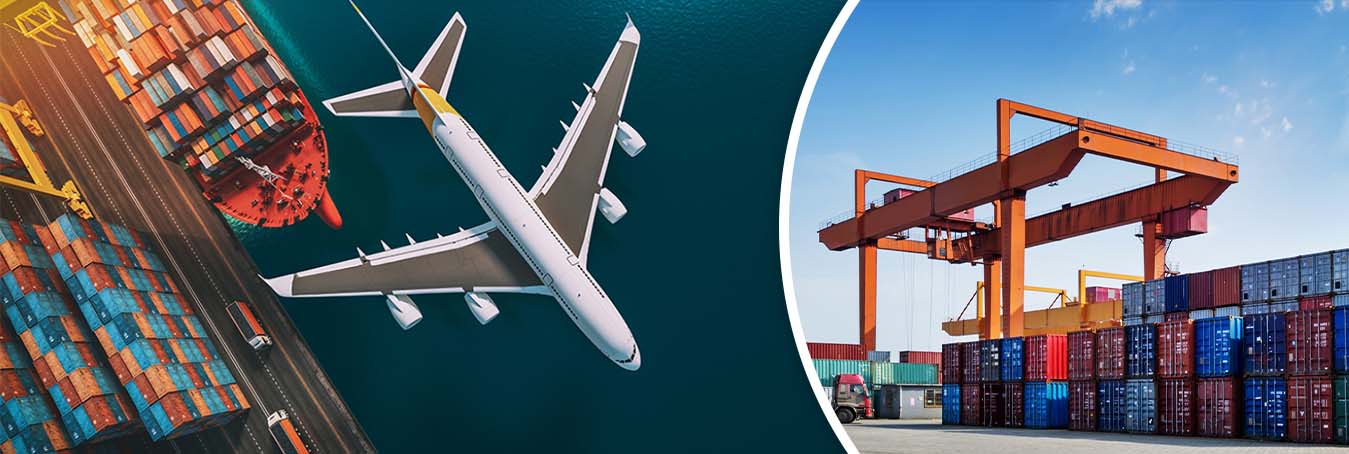


When it comes to international shipping, one of the most important decisions any business must make is choosing the right mode of transportation. Whether you’re shipping goods across continents or within regions, selecting between sea, air, or land freight can impact your delivery time, budget, and customer satisfaction. Each method comes with its own advantages and challenges — and understanding them can help you make informed choices tailored to your logistics needs.
1. Sea Freight – The Economical Workhorse
Best for: Large shipments, non-urgent goods, international trade
Sea freight is the most cost-effective method for transporting large volumes over long distances. It’s ideal for bulk commodities, heavy machinery, and goods that aren’t time-sensitive. While shipping by sea may take weeks, it significantly reduces per-unit cost and offers better carbon efficiency.
Pros:
- Low cost per kilogram for bulk items
- Suitable for oversized and heavy cargo
- Extensive global reach via container ports
Cons:
- Slower transit times
- Port delays and customs clearance issues possible
- Requires additional inland transport
If you’re shipping full container loads (FCL) or less than container loads (LCL), sea freight offers flexibility — but it’s not suited for urgent deliveries.
2. Air Freight – The Speed King
Best for: Urgent shipments, high-value or perishable goods
When time is of the essence, air freight is the fastest and most reliable option. Ideal for electronics, pharmaceuticals, or fashion items, air shipping can get your cargo across the globe in 1–5 days. However, speed comes at a premium.
Pros:
- Fastest transit times
- High security and low risk of damage
- Minimal packaging required
Cons:
- High shipping costs
- Limited by size and weight restrictions
- Heavily affected by weather and flight delays
If your supply chain relies on just-in-time deliveries or deals in valuable goods, air freight is often the best choice despite its higher cost.
3. Land Freight – The Local Link
Best for: Regional deliveries, door-to-door service, intermodal transport
Land transportation — typically by truck or rail — is a vital part of domestic and cross-border logistics. It’s perfect for delivering goods within a country or across neighboring nations. In multimodal logistics, land freight often serves as the first and last mile connection for air and sea shipments.
Pros:
- Cost-effective for short to medium distances
- Flexible routes and schedules
- Ideal for door-to-door service
Cons:
- Slower than air for long distances
- Vulnerable to traffic, road conditions, and regulations
- May require coordination with other freight types
Choosing What’s Right for You
The best shipping method depends on three key factors: your budget, timeline, and the nature of your cargo. Many businesses also use a combination of these methods depending on different product lines or markets.