 English
 Bengali
 Chinese (Simplified)
 Filipino
 German
 Hindi
Hindi Indonesian
 Japanese
 Khmer
Khmer Korean
 Lao
Lao Myanmar (Burmese)
 Thai
Thai Vietnamese
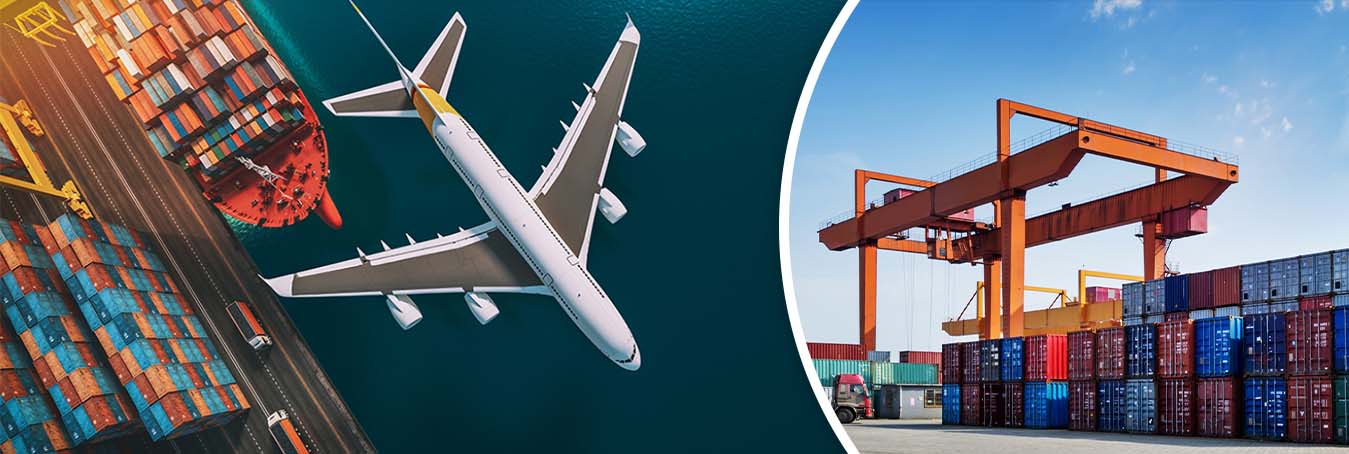


International trade depends on precise coordination, reliable transport networks, and deep regulatory knowledge. Freight forwarding solutions play a central role in connecting manufacturers, suppliers, and buyers across borders while managing the complexity of global logistics. From customs documentation to multimodal transport planning, a professional freight forwarder helps businesses move goods with confidence and control. As supply chains expand across continents, companies need transport partners that can adapt to varying cargo types, shipment volumes, and delivery timelines. Whether shipments move by air, sea, or land, freight forwarding solutions bring structure, visibility, and consistency to international trade operations.
Strategic Role of Freight Forwarding in Global Commerce
Freight forwarding goes beyond booking cargo space. It includes route planning, carrier coordination, customs clearance, risk management, and compliance with international trade regulations. These services reduce administrative burdens for businesses while supporting steady cargo movement between origin and destination.
A strong freight forwarding strategy supports trade growth by:
Coordinating multiple transport modes
Managing export and import documentation
Reducing transit disruptions
Supporting predictable delivery schedules
As trade routes evolve and regulations change, forwarders serve as knowledgeable partners who help businesses adjust without interrupting supply chain flow.
Air Freight Forwarder Solutions for Time-Sensitive Cargo
Air transport plays a vital role when speed and reliability are critical. An air freight forwarder specializes in managing shipments that require fast transit times, such as electronics, pharmaceuticals, automotive components, and perishable goods. These services typically include airline selection, cargo consolidation, customs coordination, and compliance with aviation security standards. Air freight forwarding also supports industries with just-in-time inventory models, where delays can impact production schedules or market availability. By leveraging global airline networks and airport infrastructure, air freight forwarding helps businesses maintain momentum in competitive international markets where delivery timelines influence customer satisfaction and revenue.
Ocean Freight Services for High-Volume Global Shipments
For large-scale international trade, ocean freight services remain a cornerstone of global logistics. These services are designed to handle bulk cargo, containerized goods, and oversized shipments moving between major ports worldwide. Ocean freight forwarding involves vessel scheduling, container planning, port handling coordination, and customs clearance at both origin and destination. Businesses benefit from flexible shipment options such as full container load (FCL) and less than container load (LCL), depending on cargo volume. Ocean freight supports long-term trade stability by offering cost-conscious solutions for industries such as manufacturing, retail, construction, and agriculture, where shipment size outweighs transit speed considerations.
Sea Freight Services Supporting Trade Route Reliability
While often used interchangeably with ocean freight, sea freight services focus heavily on route optimization, port connectivity, and shipment planning across established maritime corridors. These services help businesses manage recurring international shipments with consistent scheduling and predictable transit patterns. Sea freight forwarding requires close coordination with shipping lines, port authorities, and customs agencies. It also involves cargo protection planning, documentation accuracy, and monitoring of geopolitical or weather-related risks that may impact sea routes. For exporters and importers operating on fixed trade lanes, sea freight services provide dependable infrastructure that supports long-term supply chain planning.
Road Freight Singapore for Regional Cargo Movement
Road transport plays a vital connecting role within international logistics networks. Road Freight Singapore services link ports, airports, warehouses, and neighboring countries, ensuring smooth cargo movement across regional supply chains.
These services support cross-border trucking, domestic distribution, and first-mile or last-mile delivery. Road freight forwarding involves route planning, fleet coordination, customs checkpoint management, and real-time shipment tracking. In Southeast Asia, road freight is essential for connecting maritime and air hubs to inland destinations, allowing businesses to complete international shipments with flexibility and control.
Multimodal Freight Forwarding for Integrated Trade Solutions
Modern international trade often relies on multimodal transport strategies that combine air, sea, and road services into a single logistics plan. Freight forwarders manage these transitions seamlessly, ensuring documentation accuracy and cargo integrity at every stage. Multimodal forwarding reduces dependency on a single transport method and provides contingency options when routes or schedules change. This integrated approach helps businesses maintain continuity even in complex global trade environments.
Compliance, Documentation, and Risk Management
International shipments require strict compliance with customs regulations, trade agreements, and security standards. Freight forwarding solutions manage export declarations, import permits, bills of lading, commercial invoices, and certificates of origin. Accurate documentation minimizes clearance delays and reduces exposure to penalties or shipment holds. Freight forwarders also assist with cargo insurance planning and risk assessment, helping businesses safeguard goods throughout transit.
Choosing the Right Freight Forwarding Partner
Selecting a freight forwarding provider involves evaluating experience, network coverage, service range, and industry expertise. A reliable partner understands both global trade dynamics and local regulatory requirements, allowing businesses to scale operations confidently. Strong communication, shipment visibility, and proactive problem-solving define successful freight forwarding relationships. These qualities help businesses navigate international trade challenges while maintaining supply chain stability.
Conclusion
Freight forwarding solutions remain a fundamental pillar of international trade, connecting markets through structured transport planning and professional coordination. By integrating air, sea, ocean, and road services, businesses can support global expansion while maintaining control over logistics operations. As trade continues to evolve, freight forwarding expertise ensures that goods move smoothly across borders, supporting long-term growth and reliable international partnerships.