 English
 Bengali
 Chinese (Simplified)
 Filipino
 German
 Hindi
Hindi Indonesian
 Japanese
 Khmer
Khmer Korean
 Lao
Lao Myanmar (Burmese)
 Thai
Thai Vietnamese
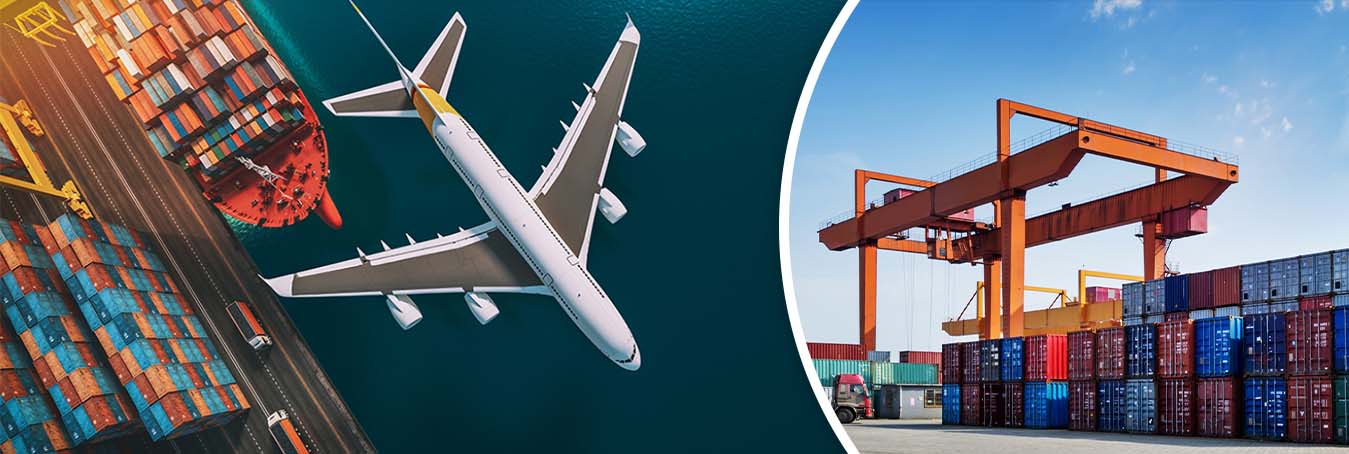


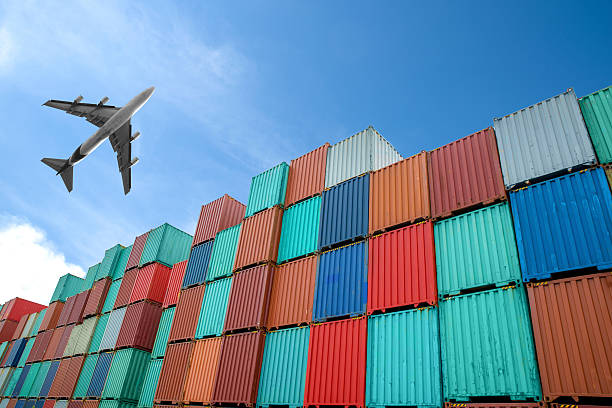
International trade depends heavily on speed, reliability, and predictable delivery timelines. In today’s global economy, businesses shipping time-sensitive or high-value goods increasingly rely on air transport to keep operations running smoothly. Understanding how air freight shipping functions helps importers and exporters make smarter logistics decisions. From booking cargo space to customs clearance and final delivery, the air freight process follows a structured workflow designed to minimize delays and protect goods in transit.
Air Freight Shipping Services the Core of Global Cargo Transport
Air freight shipping services play a vital role in international trade by enabling rapid movement of goods across continents. Unlike sea freight, which can take weeks, air freight allows cargo to reach global destinations within days or even hours. This makes it the preferred option for industries such as pharmaceuticals, electronics, fashion, and automotive manufacturing. The process typically begins when a shipper contacts a freight forwarder or logistics provider to arrange air freight shipping services that match their timeline and cargo requirements. The forwarder evaluates shipment size, weight, urgency, and destination to determine the best airline and routing. Once a booking is confirmed, cargo space is reserved on a commercial or cargo aircraft. Proper packaging and labeling follow international aviation safety standards to ensure compliance and protection during flight.
Air Freight Shipping Services Booking, Documentation, and Compliance
Air freight shipping services rely heavily on accurate documentation and regulatory compliance. Before cargo can be loaded onto an aircraft, shippers must prepare key documents such as the air waybill, commercial invoice, packing list, and any certificates required for restricted or regulated goods. The air waybill acts as both a shipping receipt and a contract between the shipper and carrier. It contains shipment details, routing information, and handling instructions. Customs authorities in both the origin and destination countries use this documentation to verify cargo contents and assess duties or taxes. Compliance is particularly important for goods such as lithium batteries, chemicals, medical supplies, and food products. These items may require additional permits, safety declarations, or inspections before they can be transported by air.
Air Freight Shipping Services Airport Handling and Transit Operations
Air freight shipping services involve multiple handling stages at both departure and arrival airports. Once cargo arrives at the airport, it is transferred to a cargo terminal where it undergoes security screening, weight verification, and palletization. Shipments are often consolidated with other cargo into unit load devices (ULDs) to maximize aircraft space efficiency. During transit, airlines provide real-time tracking systems that allow shippers to monitor their cargo’s movement across borders, including popular trade routes such as singapore to australia. This visibility helps businesses plan inventory management and respond quickly to any disruptions. In case of connecting flights, cargo is transferred between aircraft under strict time controls to prevent delays. The high level of coordination between ground handlers, airlines, and customs agencies ensures that air freight maintains its reputation for speed and reliability in global logistics.
Air Freight Shipping Services Customs Clearance and Final Delivery
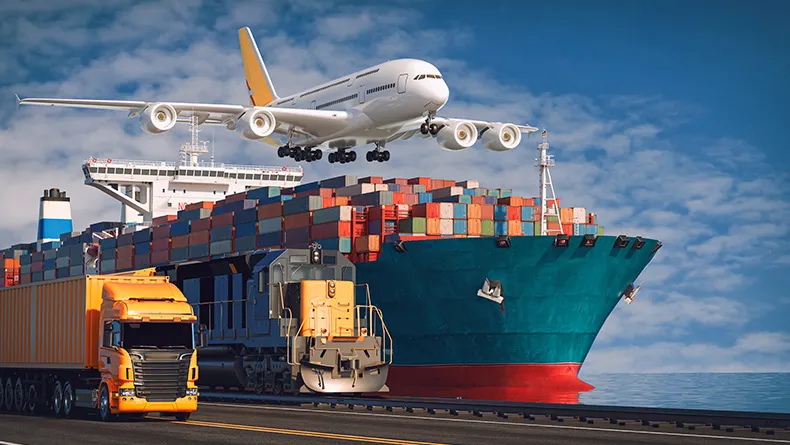
Air freight shipping services require efficient customs clearance to avoid bottlenecks at the destination. Once cargo lands, it is moved to a bonded warehouse where customs officials inspect documentation and, in some cases, physically examine the shipment. If all paperwork is in order and duties or taxes are paid, cargo is released for delivery. Freight forwarders often coordinate last-mile transport using trucks or courier services to move goods from the airport to the consignee’s warehouse, retail location, or manufacturing site. Fast customs processing is one of the biggest advantages of air freight. Many airports operate 24/7 clearance facilities, allowing urgent shipments to be delivered within hours of landing. This speed is particularly valuable for perishable goods, spare parts, and emergency medical supplies.
Why Businesses Choose Air Freight for International Trade
Air freight offers several benefits that make it attractive for international commerce. The most obvious advantage is speed. Shorter transit times reduce inventory holding costs and support just-in-time manufacturing models. Reliability is another key factor, as airlines operate on fixed schedules that are less affected by weather or port congestion compared to sea freight.
Security is also a major consideration. Air cargo terminals have strict access controls, surveillance systems, and handling protocols that minimize theft and damage risks. For high-value items such as luxury goods, electronics, and confidential documents, air freight provides peace of mind. Additionally, air freight allows businesses to reach landlocked or remote regions more easily, expanding market access and improving customer service levels.
Challenges and Cost Considerations
While air freight offers many advantages, it also comes with higher costs compared to other transport modes. Pricing is typically based on chargeable weight, which considers both the actual weight and volumetric size of the shipment. Fuel surcharges, security fees, and peak season rates can further increase costs. Another challenge is capacity availability during high-demand periods, such as holidays or global trade surges. Booking cargo space in advance and working with experienced freight forwarders can help mitigate these risks. Businesses must carefully evaluate whether the speed and reliability benefits of air freight justify the additional expense for each shipment.
Industries That Rely on Air Freight
Several industries depend heavily on air freight to maintain supply chain continuity. The pharmaceutical sector uses air transport for temperature-sensitive vaccines and medicines. The technology industry relies on it for semiconductors, smartphones, and critical components. Fashion brands ship seasonal collections by air to meet retail deadlines, while automotive manufacturers use it for spare parts needed in urgent repairs. Even the food industry benefits from air freight when transporting fresh seafood, exotic fruits, and specialty ingredients across borders. These use cases highlight how air freight supports global trade by enabling rapid response to market demands.
The Role of Freight Forwarders
Freight forwarders act as intermediaries between shippers and airlines, managing the entire air freight process. Their responsibilities include booking cargo space, preparing documentation, coordinating customs clearance, and arranging final delivery. By leveraging their industry relationships and logistical expertise, freight forwarders help businesses navigate complex international regulations and optimize shipping routes. This partnership reduces administrative burden and minimizes the risk of costly delays or compliance errors. Choosing a reputable freight forwarder is essential for companies that rely on air freight for international operations.
Future Trends in Air Freight Logistics
The air freight industry continues to evolve as technology reshapes logistics operations. Digital booking platforms, automated documentation systems, and AI-powered tracking tools are improving efficiency and transparency. Sustainability is also becoming a priority, with airlines investing in fuel-efficient aircraft and carbon offset programs. E-commerce growth is driving increased demand for fast international shipping, pushing air freight capacity expansion worldwide. These trends suggest that air freight will remain a cornerstone of international trade for years to come.
Conclusion
Air freight shipping services form a critical backbone of international trade by enabling fast, secure, and reliable cargo movement across borders. From booking and documentation to customs clearance and final delivery, each stage of the process is carefully coordinated to minimize delays and protect shipment integrity. While costs are higher than other transport modes, the benefits of speed, reliability, and global reach often outweigh the expense for time-sensitive and high-value goods. By understanding how air freight works and partnering with experienced logistics providers, businesses can streamline their international shipping operations and stay competitive in a rapidly changing global market.