 English
 Bengali
 Chinese (Simplified)
 Filipino
 German
 Hindi
Hindi Indonesian
 Japanese
 Khmer
Khmer Korean
 Lao
Lao Myanmar (Burmese)
 Thai
Thai Vietnamese
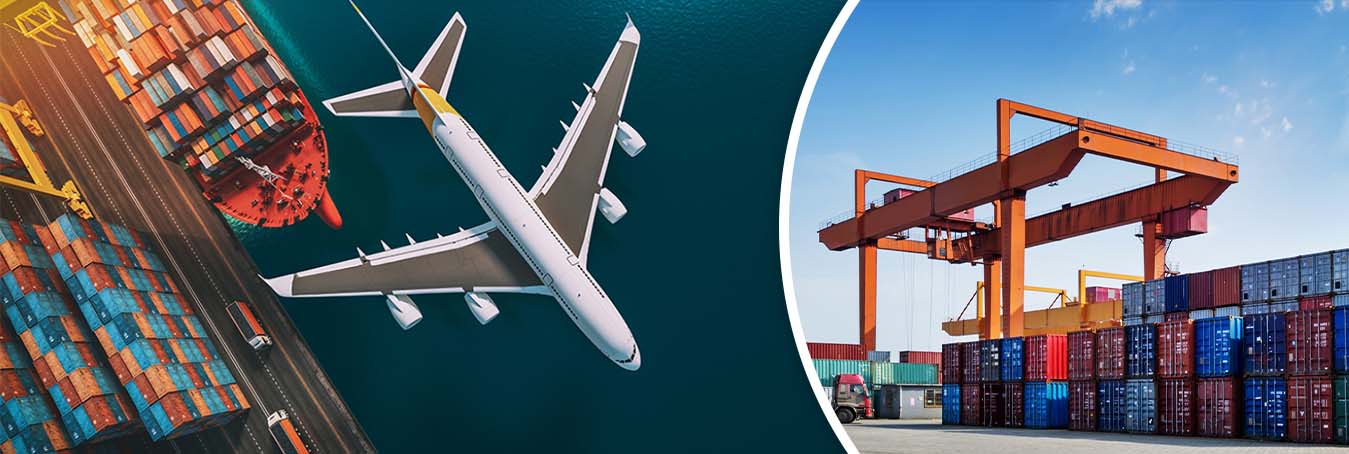


International trade depends on dependable logistics routes that balance cost, capacity, and reliability. For businesses moving goods across continents, ocean shipping remains a cornerstone of global commerce. Singapore’s strategic location, world-class port infrastructure, and streamlined customs systems make it one of the most important maritime hubs in the world. When combined, these advantages create a compelling case for choosing ocean transport as a primary shipping method. From bulk cargo to long-term supply chain planning, ocean freight provides stability and scalability that many industries rely on.
Ocean Freight to Singapore A Cost-Effective Shipping Solution
Ocean Freight to Singapore offers one of the most economical ways to transport large volumes of goods internationally. Compared to air freight, shipping by sea significantly lowers per-unit transport costs, especially for heavy or oversized cargo. This cost advantage allows businesses to move raw materials, machinery, consumer goods, and industrial supplies without placing excessive strain on logistics budgets. Many companies rely on Ocean Freight to Singapore to support high-volume imports while maintaining predictable logistics expenses. Lower transportation expenses also help companies remain competitive in international markets. Businesses that import products into Singapore for regional distribution can benefit from predictable freight rates and the ability to negotiate long-term contracts with carriers. Over time, these savings contribute to stronger profit margins and improved pricing strategies. Ocean shipping also provides flexible container options, including full container load (FCL) and less than container load (LCL) services. This allows businesses of all sizes to scale shipments based on demand without overpaying for unused space.
Ocean Freight to Singapore Reliable Global Connectivity
Ocean Freight to Singapore is supported by one of the busiest and most technologically advanced ports in the world. The Port of Singapore connects directly to major trade routes across Asia, Europe, the Middle East, and the Americas, including high-demand routes such as ocean shipping from singapore to china. This global connectivity ensures consistent sailing schedules, minimal transshipment delays, and strong route availability throughout the year. Reliability is a key reason businesses choose sea freight for long-term supply chains. Shipping lines operate on fixed schedules that allow importers and exporters to plan inventory management with greater accuracy. This predictability helps reduce stockouts, minimize storage costs, and improve production planning. Singapore’s port operations also benefit from advanced cargo handling systems, automated terminals, and real-time tracking tools. These features improve visibility throughout the shipping journey and reduce the risk of misplaced or delayed shipments. For companies that rely on consistent delivery performance, this reliability adds significant operational value.
Ocean Freight to Singapore Ideal for Bulk and Heavy Cargo
Ocean Freight to Singapore is particularly well-suited for transporting bulk goods and heavy industrial cargo, making it a preferred solution for any international logistics compnay managing large-scale shipments. Industries such as manufacturing, construction, energy, and agriculture depend on sea freight to move large quantities of raw materials, equipment, and finished products. Container ships and bulk carriers offer the capacity needed to handle oversized items that would be impractical or prohibitively expensive to ship by air. This includes machinery, vehicles, steel products, timber, and chemicals. Specialized vessels and container types, such as flat racks and open-top containers, further expand the range of cargo that can be transported safely by sea. For businesses involved in infrastructure development or large-scale projects, ocean freight provides the logistical backbone required to meet delivery timelines without exceeding budget constraints. The ability to move entire project shipments in a single voyage simplifies coordination and reduces administrative complexity.
Ocean Freight to Singapore Supporting Sustainable Logistics
Ocean Freight to Singapore plays an increasingly important role in sustainable logistics strategies. Compared to air freight, sea transport produces significantly lower carbon emissions per ton of cargo. This makes it a more environmentally responsible choice for businesses aiming to reduce their carbon footprint and align with sustainability goals. As global regulations and consumer expectations shift toward greener practices, companies are under growing pressure to adopt eco-friendly supply chain solutions. Choosing ocean shipping supports these objectives while maintaining cost efficiency and operational reliability. Shipping lines are also investing in cleaner fuel technologies, energy-efficient vessels, and emission-reduction initiatives. These advancements further strengthen the environmental advantages of sea freight and help future-proof international logistics operations.
Why Singapore Is a Strategic Shipping Hub
Singapore’s status as a global maritime hub makes it an ideal destination for ocean freight. Its geographic location at the crossroads of major trade routes provides direct access to key markets across Asia-Pacific and beyond, including high-volume corridors such as sea freight from china to singapore. This central positioning reduces transit times and simplifies distribution to neighboring countries such as Malaysia, Indonesia, Thailand, and Vietnam. The country’s business-friendly policies, efficient customs procedures, and strong regulatory framework further enhance its appeal. Cargo clearance processes are streamlined to minimize delays, allowing goods to move quickly from port to warehouse or onward to regional destinations. Singapore also offers extensive warehousing, distribution, and logistics support services. This infrastructure enables businesses to store, consolidate, and redistribute cargo with minimal disruption, supporting just-in-time inventory strategies and regional fulfillment operations.
Comparing Ocean Freight with Other Transport Modes
While ocean freight excels in cost efficiency and capacity, it is important to understand how it compares to other shipping methods. Air freight offers unmatched speed, making it ideal for urgent or high-value shipments. However, its higher cost and limited cargo capacity make it less suitable for bulk or low-margin goods. Road and rail transport are effective for regional or inland distribution but lack the global reach required for intercontinental trade. Ocean shipping fills this gap by providing a scalable solution for long-distance transport. By combining ocean freight with multimodal logistics strategies, businesses can optimize delivery timelines and costs. For example, sea freight can handle the main international leg, while road or rail transport manages final-mile delivery.
Industries That Benefit Most from Ocean Freight
Several industries rely heavily on ocean freight to Singapore due to its cost efficiency and capacity advantages. Retailers import consumer goods in large volumes to support seasonal demand. Manufacturers ship raw materials and components to maintain production schedules. The automotive industry depends on sea freight for vehicle imports and spare parts distribution. The energy sector transports heavy equipment and materials for infrastructure projects. Even the food industry uses ocean shipping for non-perishable goods and refrigerated cargo. These industries benefit from the ability to move large shipments reliably while controlling logistics expenses. Over time, this stability supports business growth and market expansion.
The Role of Freight Forwarders in Ocean Shipping
Freight forwarders play a critical role in managing ocean freight shipments to Singapore. They act as intermediaries between shippers, carriers, and customs authorities, coordinating every stage of the shipping process. Their responsibilities include booking vessel space, preparing shipping documentation, arranging customs clearance, and organizing inland transport. By leveraging their industry expertise and carrier relationships, freight forwarders help businesses secure competitive rates and avoid costly delays. Partnering with an experienced logistics provider simplifies international shipping and ensures compliance with complex trade regulations. This support is particularly valuable for companies new to global trade or expanding into new markets.
Conclusion
Choosing ocean freight to Singapore for international shipping offers a powerful combination of cost efficiency, reliability, and scalability. From bulk cargo transport to long-term supply chain planning, sea freight provides the foundation needed to support global trade operations. Singapore’s strategic location, advanced port infrastructure, and business-friendly environment further enhance the value of ocean shipping as a logistics solution. While it may not match the speed of air freight, its capacity and affordability make it the preferred choice for many industries. By understanding the advantages of ocean freight and working with experienced logistics partners, businesses can streamline their international shipping processes and strengthen their position in the global marketplace.